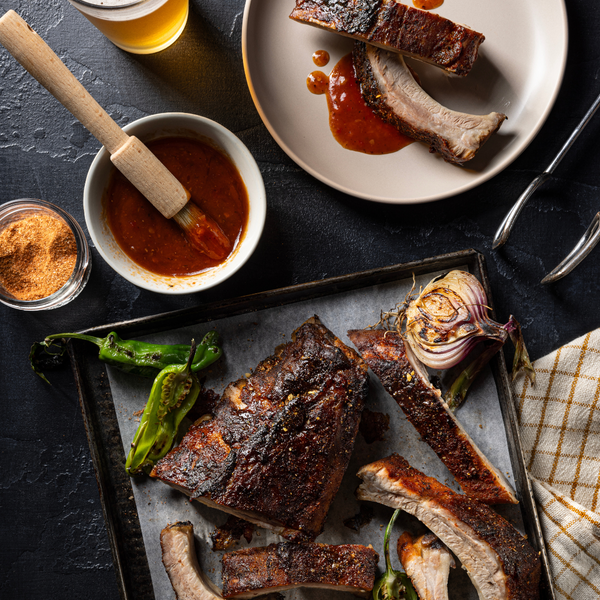
When it comes to grilling, understanding the difference between direct and indirect heat is the key to unlocking your full potential at the grill. Whether you're searing thick-cut pork chops or slow-cooking a rack of ribs, choosing the right method makes all the difference in flavor, texture, and success.
Direct Grilling
What Is Direct Grilling?
Direct grilling is all about high heat and fast cooking. Food is placed directly over the flame or heat source, making it ideal for:
- Pork chops
- Sausages
- Burgers
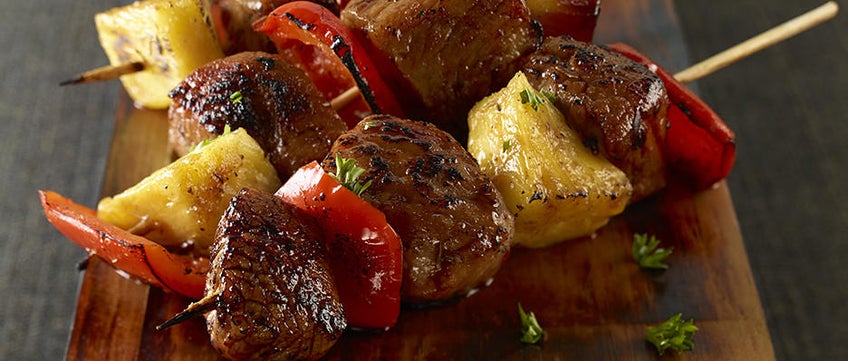
- Kabobs
- Vegetables
This method delivers that signature char and caramelization that grill lovers crave. It’s perfect for cuts that cook in 30 minutes or less.
Indirect Grilling
What Is Indirect Grilling?
Indirect grilling is your go-to for low-and-slow cooking. Heat is generated on one side of the grill, while the food is placed on the opposite side. This creates an oven-like environment, ideal for:
- Ribs
- Pork shoulders
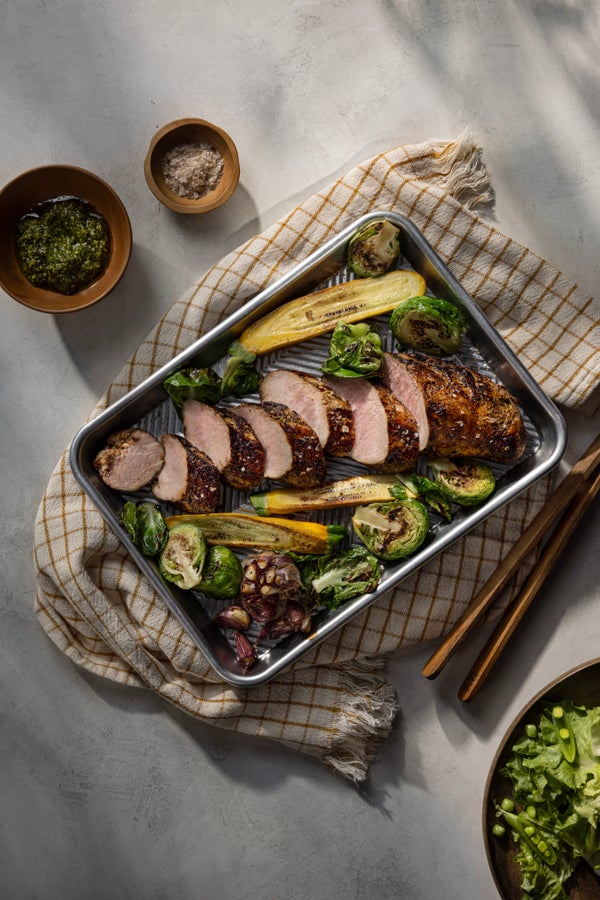
- Whole tenderloins
- Roasts
This method allows larger or tougher cuts to cook evenly without burning, while still absorbing that smoky, grilled flavor.

For indirect grilling, place a drip pan under the grate on the cool side of the grill. It catches fat drippings, prevents flare-ups, and can be filled with water, beer, or juice to add moisture and subtle flavor to your pork.
Applying The Methods
When To Use Each Method
- Use direct heat when you want a quick sear or are cooking thinner cuts.
- Use indirect heat when cooking thick cuts or when you need to render fat and connective tissue slowly.
For the best of both worlds, try combination grilling: start with direct heat to sear, then move to indirect heat to finish cooking through.